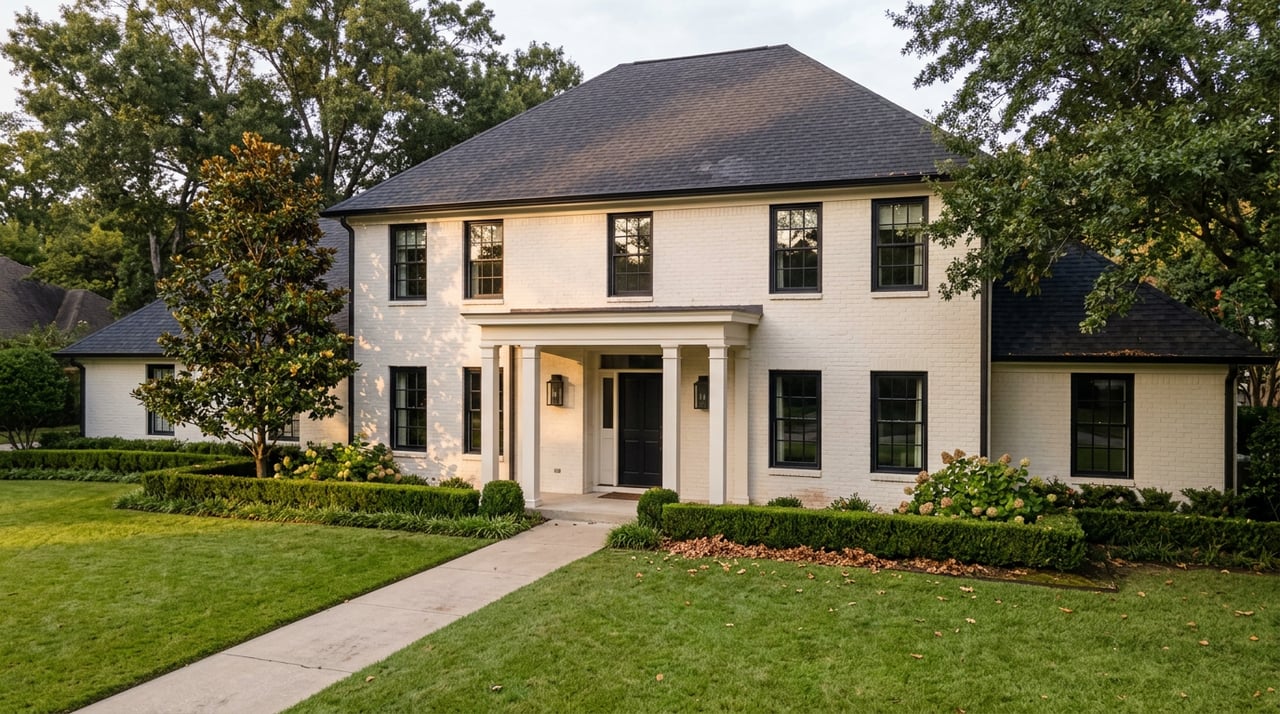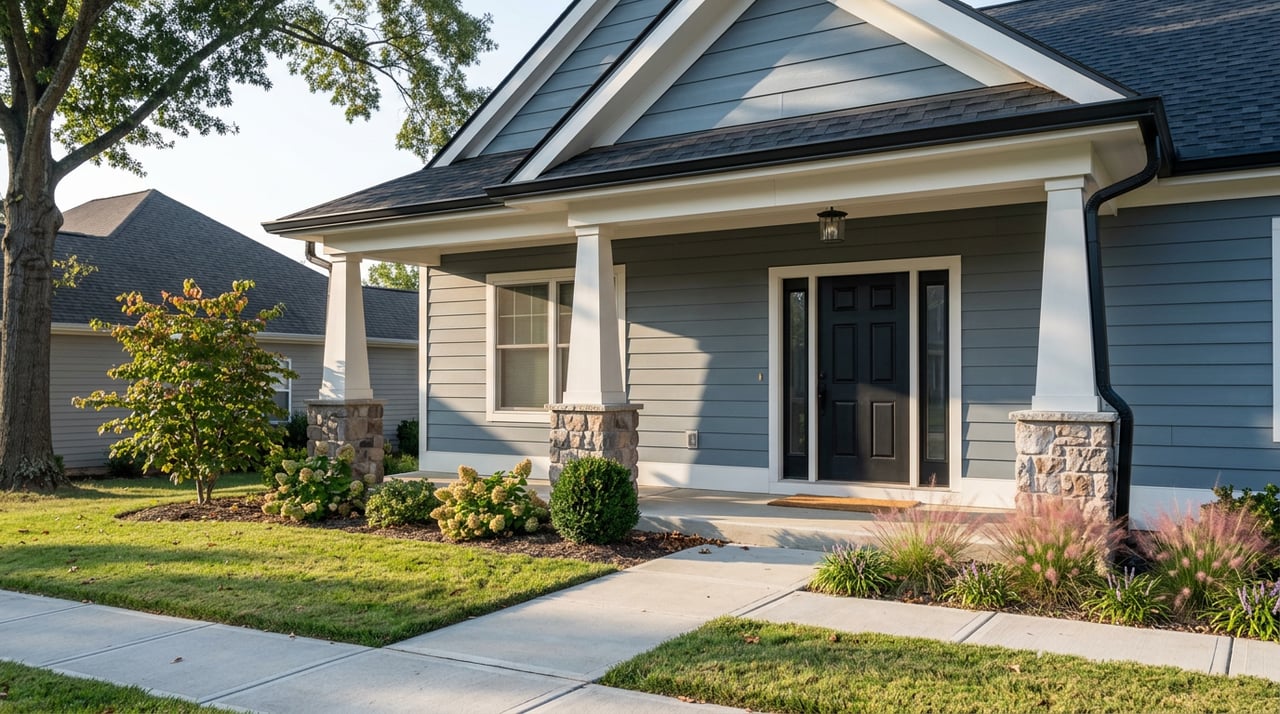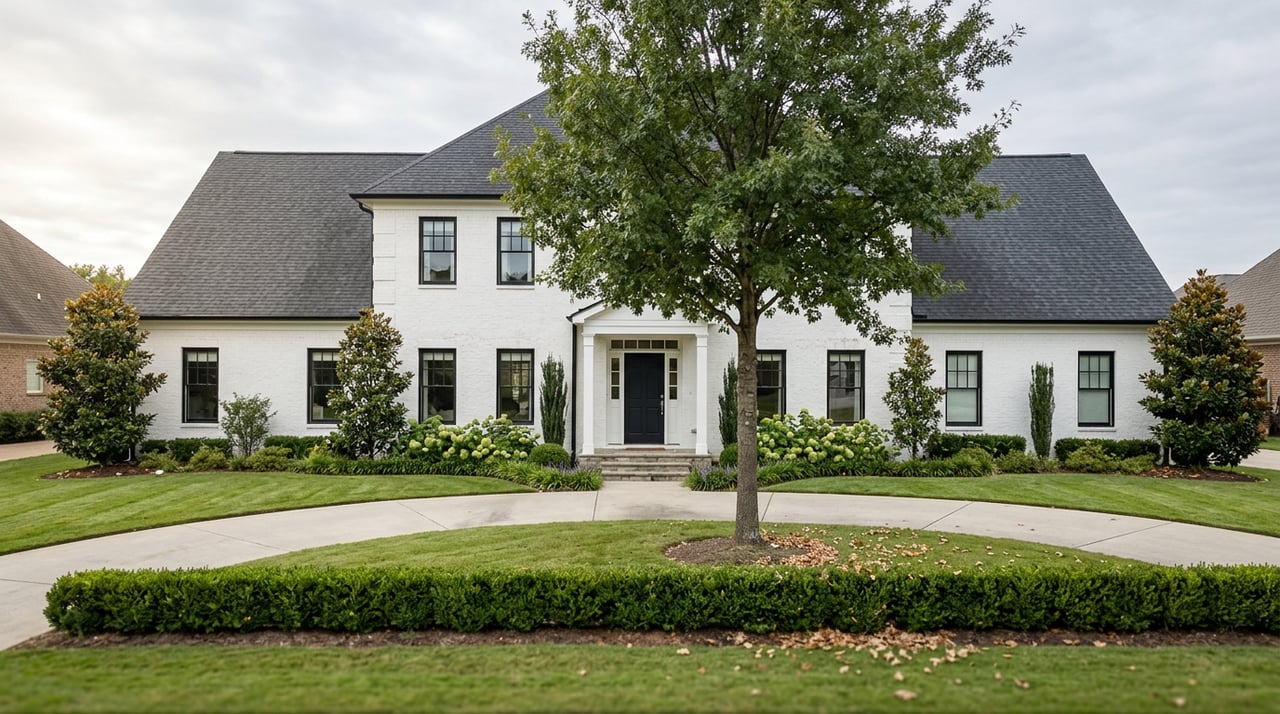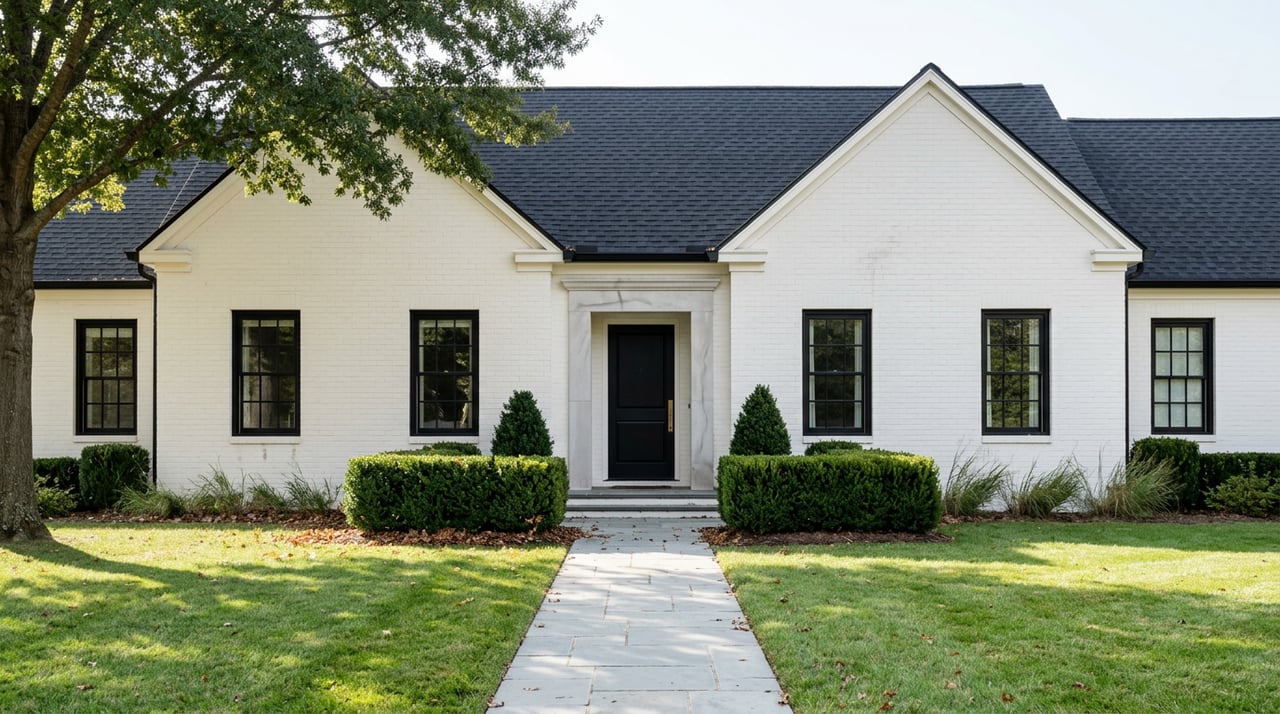
Choosing between a brand‑new home and a lived‑in charmer can feel like two great options pulling you in different directions. You might love the idea of fresh finishes and low maintenance, but you also want a larger yard or a quicker move. If you are searching in Springdale, you have access to both paths across a wide range of neighborhoods and price points. In this guide, you will learn how new construction and resale homes compare here, so you can match your budget, timeline, and lifestyle to the right fit. Let’s dive in.
Springdale market snapshot
Springdale is one of the more affordable major cities in Northwest Arkansas, with steady new‑construction activity and a broad mix of resale options. Market trackers report different price snapshots because they measure different things. For example, recent figures showed a median sold price around the mid‑$300s (sold prices), automated value estimates in the low‑$300s, and median list prices over $400k (list prices). Always compare apples to apples and note the date and data type when you review numbers.
Region wide, builders have been busy. A recent Northwest Arkansas market review reported that roughly 38.5% of sales in late 2024 were new homes, reflecting strong construction and inventory across the metro. You can use that context when weighing incentives or timing for a Springdale build. You will also see demand supported by local job anchors and steady population growth, with Springdale’s population around 89,000 in mid‑2024. These fundamentals help keep both new and resale options in play.
- Read more on regional new‑construction share in NWA from the Skyline Report summary: NWA construction and sales share highlights
- Explore population context: U.S. Census QuickFacts for Springdale
New construction: what you get
Price and incentives
Nationally, the price gap between new and existing homes has narrowed at times, and in some months new homes have sold close to or even below typical existing prices. Local results vary by builder, plan, and lot. In Springdale, many production builds list in the low‑to‑mid $300k to $500k range depending on size and finishes. Builders also use incentives like rate buydowns, closing cost credits, or upgrade packages to help buyers. Track current offers during your search and include them in your apples‑to‑apples comparison.
- Market context on the new‑vs‑existing price gap: Fannie Mae economic commentary
Maintenance and warranties
A big draw of new homes is lower near‑term maintenance. Many builders follow a 1‑2‑10 style warranty pattern: one year for workmanship, two years for major systems, and up to ten years for structural coverage. Local builders active in Springdale outline coverage and claim steps so you know how service works after closing. Always review the builder’s warranty booklet and manufacturer coverage for appliances and HVAC.
- Example of a local builder warranty structure: Schuber Mitchell warranty overview
Energy and monthly costs
Modern builds often include tighter envelopes, efficient HVAC, and better windows. Homes verified under programs like ENERGY STAR can deliver measurable reductions in energy use compared to typical code‑built homes. Ask the builder for any HERS score or ENERGY STAR documentation and use those details to estimate monthly utility savings.
- Learn how verified efficient new homes perform: ENERGY STAR new homes
Customization and selections
With a production or semi‑custom build, you often choose finishes in a design center and may pick certain structural options. Selection windows are firm, and upgrade choices can affect both price and timeline. One local example outlines an approximately eight‑month path from contract to close for a new start, with defined checkpoints for selections.
- See a typical local new‑start process: Schuber Mitchell new‑start timeline
Timeline to keys
If you need speed, a finished or near‑finished spec home can put you in the door within 0 to 3 months. A ground‑up new start commonly runs 6 to 12 months based on weather, supply chains, and city inspections. Get a realistic schedule from the builder and build in a buffer for selections and punch‑list work at the end.
Financing differences
Financing a build can look different than buying resale. Many buyers use a construction‑to‑permanent loan, which lets you close once and then convert to a standard mortgage at completion. Others use a construction‑only loan and then refinance into a permanent mortgage when the home is done. Expect draw schedules, inspections before each draw, and interest‑only payments during construction. Ask lenders about rate‑lock options and how they handle change orders.
- Helpful primer on construction‑to‑perm loans: Guide to single‑close construction loans
Inspections and quality control
City inspectors check code milestones like foundation, framing, and final. Still, it is smart to hire an independent inspector for a pre‑drywall check and a final inspection, then schedule an 11‑month warranty walk so you can log issues within your warranty window. Independent eyes help you confirm the home meets your expectations before the punch list closes.
- Why phase inspections matter: Buyer inspection FAQs
Resale homes: what you get
Price, location, and value
Resale homes in Springdale cover a wide range. You will find older starters below $300k, move‑up homes through the $400s and beyond, and larger properties in established subdivisions. With resale, you can compare real‑world finishes, mature landscaping, and neighborhood character on day one. You can also target in‑town locations and established streets that do not have current builder activity.
Speed and certainty
Most financed resale purchases close in about 30 to 45 days after you go under contract, assuming appraisal and underwriting move as planned. Cash purchases can close faster. If timing is your top priority, resale often provides the quickest path to move‑in.
- Typical resale closing timeline: Resale closing steps and timing
Fixes, updates, and first‑year costs
Older systems may need attention. A home inspection is your roadmap for immediate and near‑term repairs, and you can negotiate credits or repairs with the seller during the contingency window. Some sellers offer a one‑year home warranty at closing. If you plan to remodel, build in time for permits, contractor bids, and supplies.
Yards, HOAs, and character
Many established Springdale neighborhoods offer larger or more mature lots. Har‑Ber Meadows, for example, is a master‑planned community known for walkable amenities and common areas maintained by an HOA. Newer subdivisions often have smaller lots with fresh amenities and predictable streetscapes. When comparing options, include HOA dues and what they cover in your monthly budget.
- Community example and amenities: Har‑Ber Meadows community site
Where to find each in Springdale
New‑home hot spots
You will see steady new‑home activity along major corridors and on the city’s edges. Production builders and local teams are active in communities around east Springdale and near newer parkway routes. For a current snapshot of builder neighborhoods and inventory, review local builder community pages and ask about any spec homes and incentives.
- Explore active Springdale communities from a local builder: Schuber Mitchell communities in Springdale
Established resale areas
If you prefer established streets and mature landscaping, look to neighborhoods like Har‑Ber Meadows, Peaceful Valley Estates, Shady Grove, and Downtown Springdale. Each offers a different mix of housing ages, lot sizes, and architectural styles. Walk the blocks at different times of day to get a true feel for access, commute patterns, and nearby parks and services.
Side‑by‑side quick guide
Choose new construction if you want:
- Lower near‑term maintenance and a builder warranty.
- Modern layouts, energy efficiency, and fresh finishes.
- A chance to personalize selections within a clear process.
- A flexible timeline if you can wait for a build or find a quick spec.
Choose resale if you want:
- Faster move‑in, often within 30 to 45 days with financing.
- Larger or more mature yards in established neighborhoods.
- The ability to see finishes, streetscapes, and landscaping before you buy.
- A broader range of price points and locations.
How to decide the right fit in Springdale
Use this simple plan to move forward with confidence:
- Define your must‑haves. Rank timeline, yard size, bedroom count, and budget. Note any must‑have features, like a main‑level suite or a three‑car garage.
- Compare true monthly costs. Include HOA dues, utilities, expected repairs, and insurance. Ask builders for any HERS score or efficiency paperwork and request seller utility histories on resale when available.
- Stress‑test your timeline. If you need to move quickly, prioritize resale or finished spec homes. If you have 6 to 12 months, consider a new start and design selections.
- Clarify financing early. Ask a lender about construction‑to‑perm options and interest‑rate locks for new builds, and get a full pre‑approval for resale.
- Protect your purchase. Plan for phase inspections on new builds, an 11‑month warranty check, and a strong inspection contingency for resale.
If you want help weighing new vs resale in real time, you do not have to go it alone. With deep local builder relationships and a long track record across Springdale, Jillian can surface the right new‑home inventory, negotiate upgrades or incentives, and line up inspections and warranties. On the resale side, she will match you to comps, spot red flags early, and help you close on time.
Ready to talk through your options and tour homes that fit your budget and timeline? Connect with Jillian Chamberlin to get a clear plan and move forward with confidence.
FAQs
What are the main cost differences between new and resale homes in Springdale?
- New builds may include builder incentives and lower near‑term repair costs, while resale can offer lower upfront prices in some areas but may need immediate updates; always compare HOA dues, utilities, and expected repairs side by side.
How long does it take to move into a new construction vs a resale home in Springdale?
- Resale often closes in about 30 to 45 days with financing, while new‑start builds commonly take 6 to 12 months; a finished spec home can be move‑in ready within 0 to 3 months.
Are new homes in Springdale more energy efficient than older homes?
- Often yes; many new homes meet modern codes and some achieve ENERGY STAR‑level performance, which can reduce energy use; ask for HERS or ENERGY STAR documents to estimate savings.
What inspections and warranties protect Springdale buyers of new construction?
- City inspections cover code milestones, but you should add independent phase inspections and an 11‑month warranty walk; most builders offer a 1‑2‑10 style warranty for workmanship, systems, and structure.
Where are larger yards more common in Springdale?
- Larger or more mature yards are often found in established neighborhoods such as Har‑Ber Meadows and nearby long‑settled areas; newer subdivisions may have smaller lots with added community amenities.