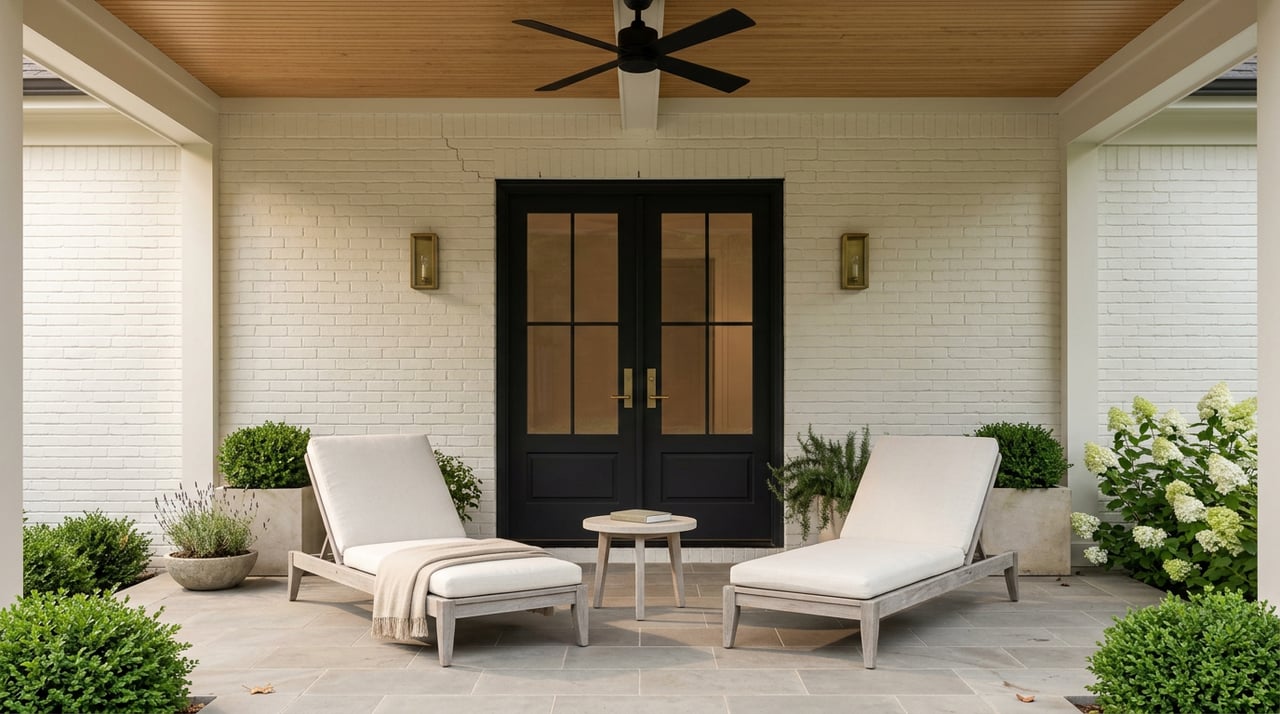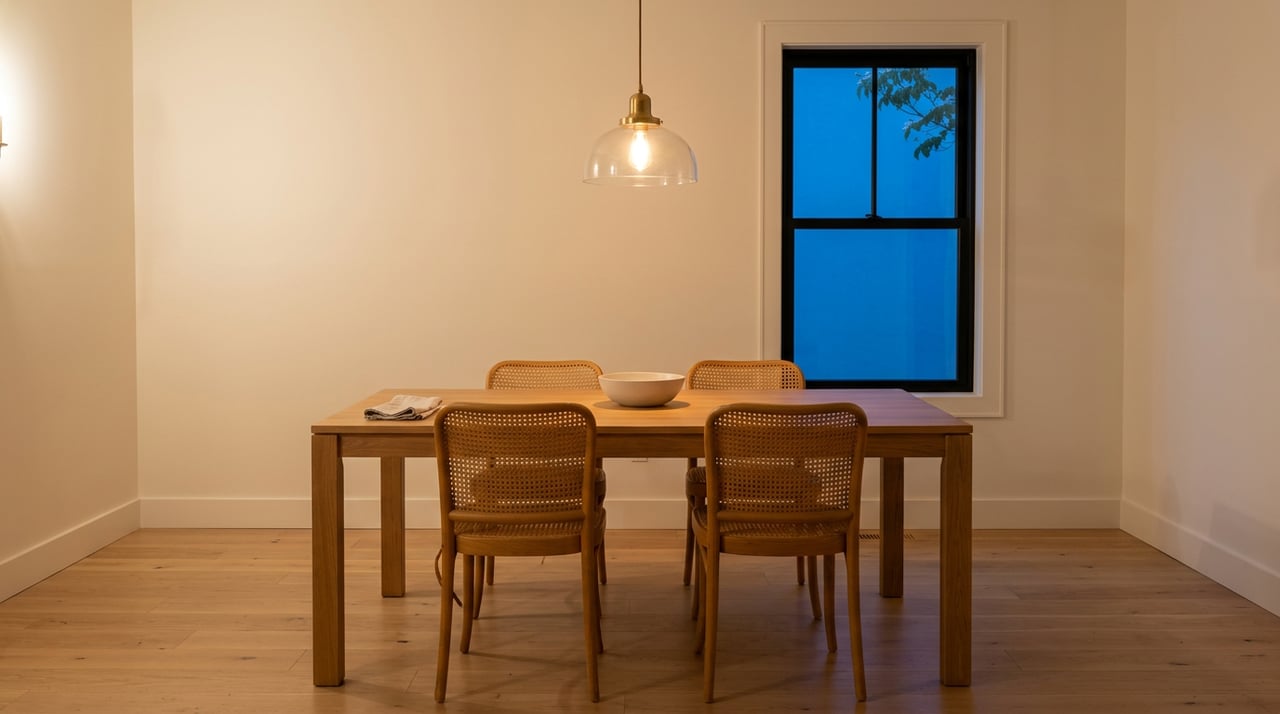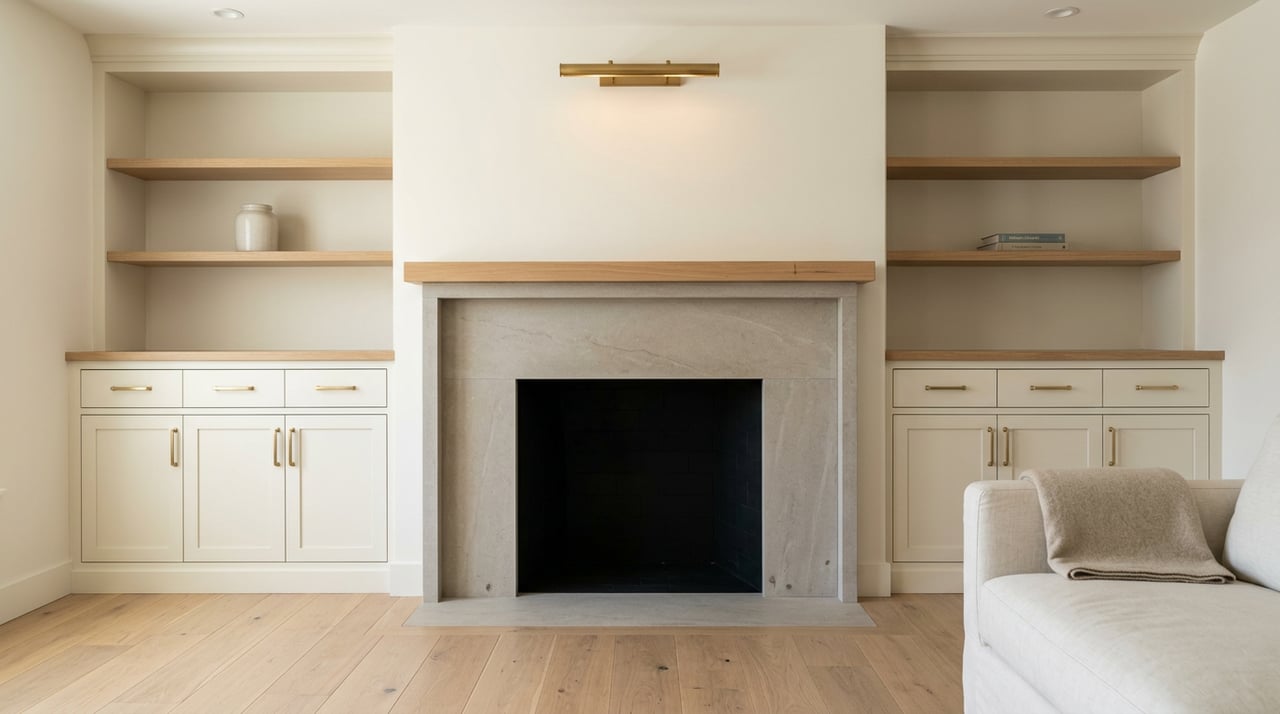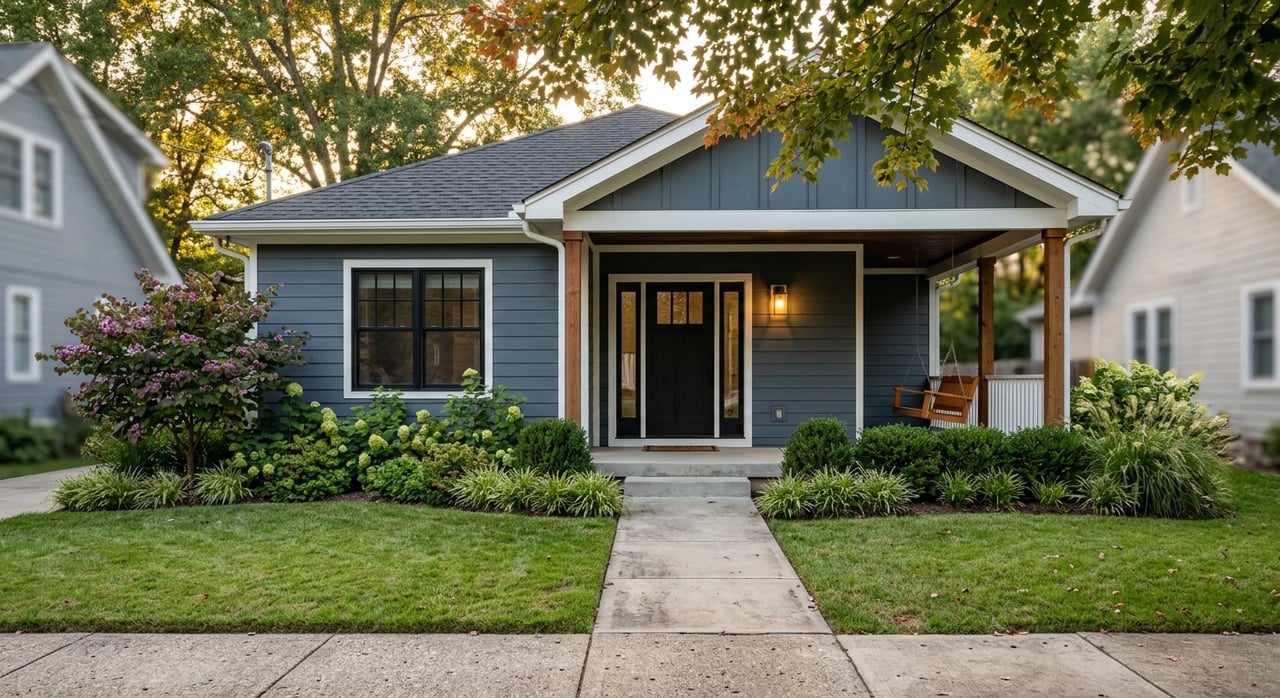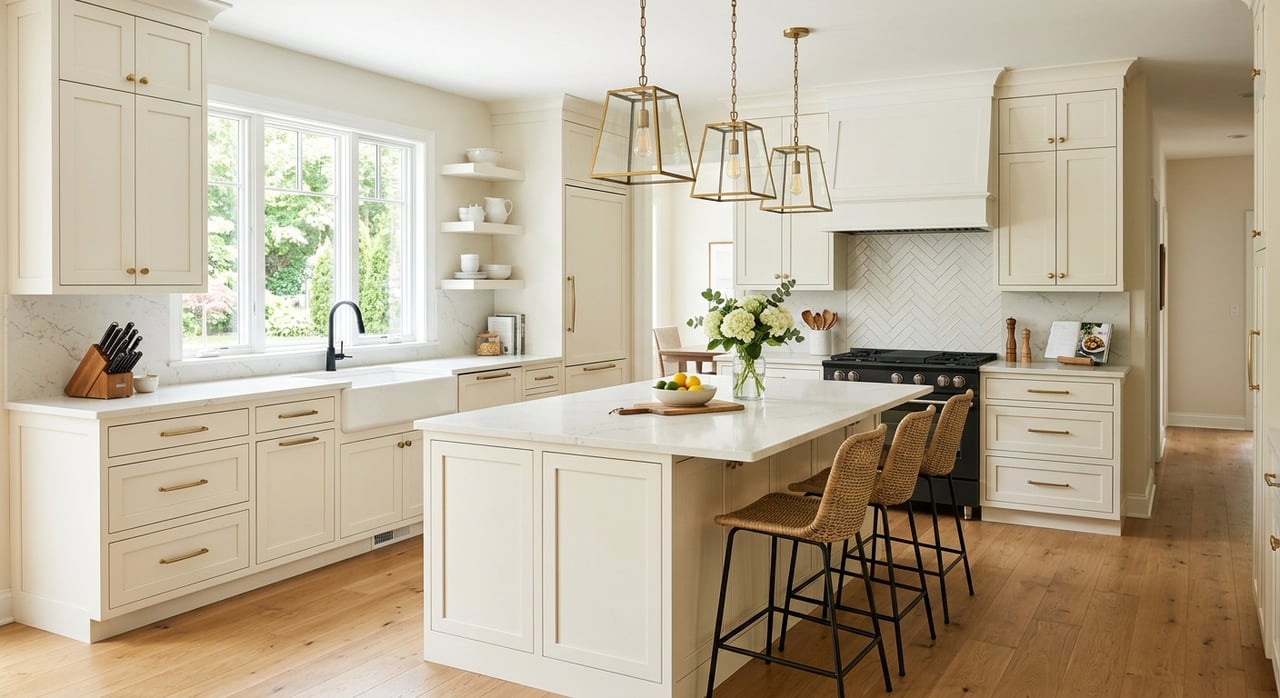
Wondering how to sell your home in Shadow Valley without leaving money on the table? If you own in this gated Rogers community, you are not selling the same product as the broader Rogers market. You are selling a home in a distinct neighborhood where amenities, presentation, and pricing strategy can shape buyer interest from day one. Let’s dive in.
Why Shadow Valley sells differently
Shadow Valley functions as its own submarket within Rogers, and that matters when you set expectations for price and timing. According to Realtor.com’s Shadow Valley market overview, the neighborhood shows a median sale price of $770,500, 45 median days on market, 18 homes for sale, and a 99% sale-to-list ratio.
That looks very different from the broader Rogers market, where Rogers market data on Realtor.com shows a $545,000 median home price, 85 median days on market, and 742 active listings. For you as a seller, the takeaway is simple: your home should be priced against Shadow Valley competition and recent neighborhood activity, not citywide averages alone.
Because inventory is relatively limited in the neighborhood, buyers tend to compare homes more closely. Small details like condition, photography, and how clearly your home’s lifestyle benefits are presented can have an outsized effect in a thinner market.
Highlight the community value
Shadow Valley is known for being a gated, amenity-rich golf community, and that context supports your home’s overall value. The Shadow Valley Property Owners Association information confirms that residential owners are members and that the association maintains gatehouses, street lighting, and common areas.
When buyers consider a home here, they are often evaluating more than square footage and finishes. They are also looking at the broader ownership experience, including maintained common areas and community features that help define the neighborhood setting.
That means your listing should tell a complete story. If your home benefits from golf-related views, outdoor living space, proximity to community amenities, or a polished exterior approach, those points deserve thoughtful attention in the marketing.
Focus on first impressions online
Most buyers will meet your home online before they ever schedule a showing. According to the National Association of Realtors 2025 Profile of Home Staging, 83% of buyers’ agents said staging made it easier for buyers to visualize the property as a future home.
The same report found that 73% of buyers’ agents said photos were much more important or more important, followed by physical staging at 57%, videos at 48%, and virtual tours at 43%. NAR also reported that buyers expected to view a median of eight homes in person and 20 virtually, which means your listing has to compete visually before it competes in person.
For a neighborhood like Shadow Valley, that is especially important. Buyers shopping in this price range often expect polished presentation, and they may compare your home against a short list of nearby options very quickly.
Rooms to prioritize
NAR found that the rooms with the highest staging value were the living room, primary bedroom, and kitchen. Sellers’ agents most often staged the living room, primary bedroom, dining room, and kitchen.
If you want to prioritize your time and budget, start there. In many Shadow Valley homes, you should also give extra attention to outdoor areas because patios, decks, lawn presentation, and view lines can strongly influence the overall impression.
Make smart updates before listing
You do not need a full remodel to make your home more marketable. The NAR consumer guide on preparing to sell your home recommends focusing first on repairs and lower-cost improvements that strengthen first impressions.
That includes:
- Cleaning windows, carpets, walls, and lighting fixtures
- Decluttering rooms and storage areas
- Improving curb appeal with landscaping and entry updates
- Freshening paint where needed
- Keeping warranties and manuals for systems or appliances staying with the home
The same guide notes that a pre-sale inspection is not required, but it can help identify issues worth addressing before buyers start touring the property. That can reduce surprises later and help you decide whether to repair, disclose, or price with those items in mind.
Best prep moves for Shadow Valley sellers
In a neighborhood where presentation and setting matter, the most effective updates are often the most visible ones. Instead of over-improving, focus on the areas buyers notice right away.
A practical pre-listing checklist may include:
- Tidying landscaping and trimming overgrowth
- Refreshing the front entry and driveway appearance
- Cleaning or updating patio and deck spaces
- Checking exterior lighting for function and appearance
- Repainting bold interior walls in neutral tones if needed
- Replacing dated hardware or fixtures where a simple upgrade improves the look
- Fixing obvious deferred maintenance before it becomes a negotiation issue
The goal is not perfection. The goal is confidence. Buyers want to feel that the home has been cared for and is ready for the next owner.
Set a realistic staging budget
If you are trying to decide how much to spend before listing, NAR’s staging report offers a useful benchmark. It found a median spend of $1,500 when sellers used a staging service and $500 when the seller’s agent personally staged the home.
That supports a focused approach instead of a renovation-heavy one. In many cases, selective staging, strong photography, and a clean, neutral presentation can do more for buyer response than expensive projects that may not match the next buyer’s taste.
Understand the sale timeline
Selling a home usually feels more manageable when you know what happens next. In Shadow Valley, the process will typically follow this sequence:
- Prepare the home for market
- Launch the listing
- Gather showings and feedback
- Review and negotiate offers
- Navigate inspection, appraisal, title, and lender steps
- Close the sale
Once you accept an offer, the closing period often takes several more weeks. Freddie Mac says the closing period after offer acceptance is typically 30 to 45 days, and the average purchase loan closes in 43 days.
During that stretch, there are a few key milestones. The Consumer Financial Protection Bureau closing rules referenced by Freddie Mac note that borrowers must receive the Closing Disclosure three business days before closing, and title work is generally handled in the weeks leading up to the final signing.
Prepare for offers and disclosures
In Arkansas, process matters. The Arkansas Real Estate Commission states that agent representation disclosure must be made to the parties, and brokers must present all offers to the seller.
That is especially important in a neighborhood like Shadow Valley, where pricing, presentation, and limited inventory can create competitive situations. If more than one buyer shows interest, a clear strategy and responsive communication can help you evaluate terms beyond just price.
You should also gather neighborhood paperwork early. Since residential owners are members of the POA, having current association documents ready can help answer buyer questions and keep the contract process moving. The Shadow Valley POA materials are a good reminder that community documentation is part of the sale conversation here.
If your home was built before 1978, federal disclosure rules may apply. The EPA’s lead-based paint disclosure guidance outlines the requirements for homes from that period.
Avoid the biggest pricing mistake
The most common mistake Shadow Valley sellers can make is relying too heavily on broad Rogers numbers. Citywide data can be useful background, but buyers and appraisers often look much closer to home in a neighborhood with distinct pricing and limited active inventory.
A strong pricing strategy should consider:
- Recent neighborhood sales
- Current Shadow Valley competition
- Your home’s condition and updates
- Lot position, views, and outdoor living appeal
- How your home compares in presentation both online and in person
If you price too high, you may lose momentum early. If you price too low without a clear strategy, you could leave value behind. The right approach usually combines current data, local context, and polished marketing.
Why presentation matters more here
In a higher-priced neighborhood, buyers often expect a more complete experience from the first click to the final walkthrough. That is where premium listing preparation can make a real difference.
Clear photography, thoughtful staging, strong copy, and a plan for handling buyer questions all help your home stand out. In Shadow Valley, where the community itself is part of the appeal, your marketing should reflect both the home and the setting around it.
If you are thinking about selling, the best first step is to understand where your home fits in today’s neighborhood market. A local, hands-on strategy can help you prepare wisely, price with confidence, and move toward closing with fewer surprises. When you are ready for tailored guidance, connect with Jillian Chamberlin for a free home valuation or consultation.
FAQs
What makes selling a home in Shadow Valley different from selling elsewhere in Rogers?
- Shadow Valley is treated as a distinct submarket with different pricing, inventory levels, and buyer expectations, so neighborhood-specific pricing and presentation matter more than broad Rogers averages.
What should homeowners prepare before listing a Shadow Valley home?
- You should focus on cleaning, decluttering, curb appeal, visible repairs, key documents like warranties and manuals, and current POA information to help streamline buyer questions.
What home staging matters most for a Shadow Valley listing?
- The highest-priority spaces are typically the living room, primary bedroom, and kitchen, with added attention to patios, decks, and exterior presentation when outdoor living or views are part of the home’s appeal.
How long does it usually take to close after accepting an offer in Arkansas?
- Freddie Mac says the post-contract closing period is typically 30 to 45 days, with the average purchase loan closing in 43 days.
What disclosures should sellers know about when selling a home in Shadow Valley?
- Sellers should be ready for Arkansas agency representation procedures, POA-related documents, and, if the home was built before 1978, federal lead-based paint disclosure requirements.