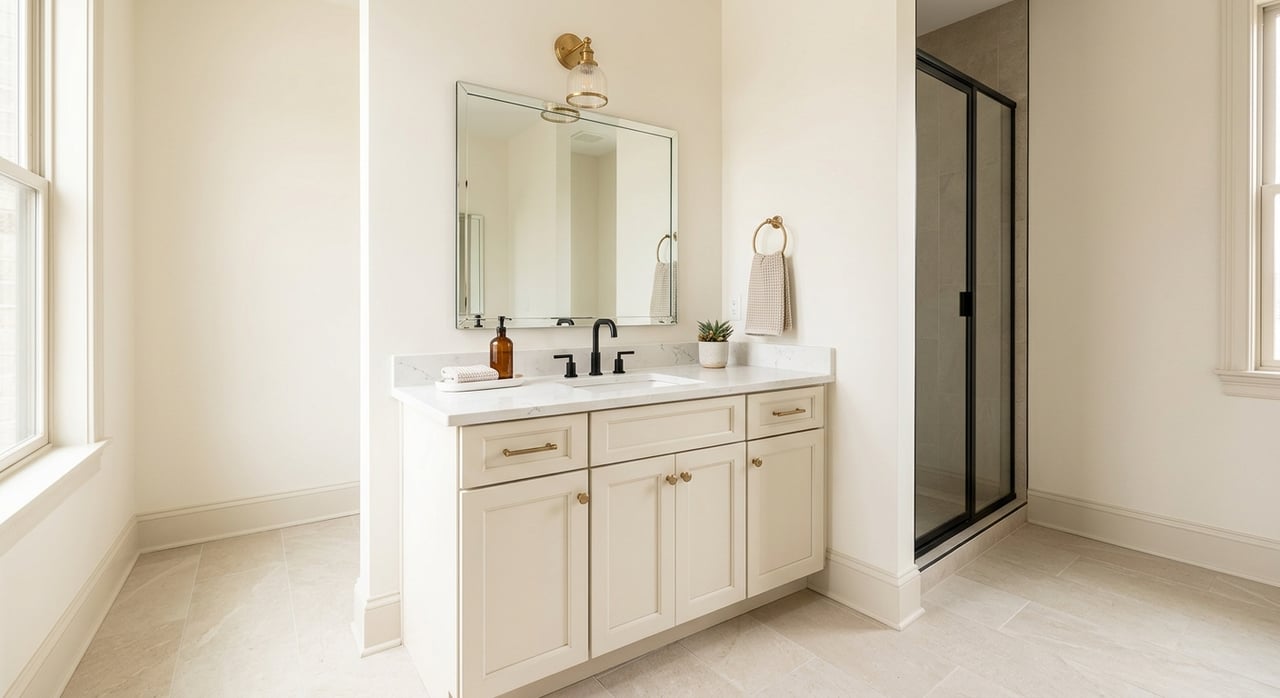
If you are buying a new construction home in Fayetteville, it is easy to assume the final walkthrough means everything is complete and move-in ready. In reality, a home can look almost finished while still waiting on final city approvals, last touch-ups, or a few builder items to be wrapped up. Knowing what to expect can help you walk through the home with confidence, ask the right questions, and avoid surprises before closing. Let’s dive in.
What a new-build walkthrough means
A new-build walkthrough is your last pre-closing check of the home’s visible condition. According to the National Association of Realtors final walk-through guidance, this is your chance to confirm the home is in the condition you expect, that agreed-upon items are present, and that requested repairs have been addressed.
For new construction, this walkthrough is not the same as a full construction review. The Consumer Financial Protection Bureau separates the idea of a final closing process from an independent home inspection, and industry guidance recommends scheduling inspections early enough for concerns to be addressed before closing.
Why walkthroughs matter in Fayetteville
In Fayetteville, new construction is tied to a city permit and inspection process. The city’s Building Safety Division oversees code compliance, and residential homes cannot be lawfully occupied without a Certificate of Occupancy.
That local detail matters because a home may look nearly done before it is officially cleared for move-in. Fayetteville also explains that a Temporary Certificate of Occupancy may be issued when a home is safe to occupy even though some permit-related work is still incomplete.
Your walkthrough should be treated as a final visible-condition check, not as proof that every last construction item is fully complete. If a Temporary CO is involved, you should know exactly what remains unfinished and when the builder plans to complete it.
When the walkthrough usually happens
Most final walkthroughs happen shortly before closing. The goal is to give you time to verify the home’s condition while still leaving enough room for the builder to address last-minute issues if needed.
For buyers of new construction, it also helps to understand that the final walkthrough is just one step in a bigger process. NAR guidance on phase inspections notes that some buyers bring in an inspector during the foundation stage, before drywall, and again near final punch-out. The American Society of Home Inspectors also notes that the final inspection mainly covers what is visible at that point.
What to bring to your walkthrough
Showing up prepared can make the walkthrough much more productive. Bring:
- Your contract or builder paperwork
- Any lists of promised repairs or included features
- A phone for photos and videos
- A notepad or digital notes app
- Questions about systems, warranties, and follow-up items
ASHI recommends coming with a prepared list so you do not forget anything important during the visit. That is especially helpful when you are balancing cosmetic items, system questions, and move-in timing.
What to check inside the home
Start with the basics and move room by room. The NAR walkthrough checklist recommends checking every room and accessible area, including closets, attics, basements, crawl spaces, garage areas, doors, windows, HVAC, and hot water.
As you walk, focus on visible condition and function. Turn lights on and off, open and close doors, lock windows, test faucets, and make sure appliances and included fixtures are present if they are part of your contract.
Common interior punch-list items in new homes include:
- Paint scuffs or drywall blemishes
- Scratches on counters, flooring, or cabinets
- Missing hardware
- Doors that stick or do not latch properly
- Windows that do not open or close correctly
- Incomplete cleaning or leftover construction dust
- Debris, packaging, or materials left behind
These may seem small, but they are worth documenting. ASHI’s guidance for new homes notes that unfinished cleanup and visible touch-up items are common at this stage.
What to check outside the home
The exterior deserves just as much attention as the inside. Walk the lot carefully and look at the driveway, grading, drainage, exterior finishes, and landscaping.
According to ASHI’s new-home inspection guidance, common exterior trouble spots can include final grade, drainage, driveway work, sod, seed, landscaping, window fit, plumbing, electrical, and HVAC startup. If the yard or exterior work is not complete, ask whether the item will be finished before closing or after move-in under a written timeline.
This is also the time to confirm that exterior items match what you expected from your contract and prior visits. If something looks different, missing, or unfinished, add it to the punch list.
Walkthrough versus inspection
Many buyers ask whether the walkthrough replaces an inspection. The short answer is no.
A walkthrough is your final check of condition, function, and completion of visible items. An independent inspection is a separate professional assessment of the home’s physical condition. The CFPB recommends scheduling an independent inspection as early as possible and attending it if you can, since being there makes it easier to understand the findings and ask questions.
For a new build, both steps can be helpful. Earlier phase inspections may catch issues before they are covered up, while the final walkthrough helps you confirm what is actually complete and visible before closing.
How the punch list works
At the end of the walkthrough, you should leave with a clear written punch list. This list should include unfinished items, visible defects, missing components, and anything that still needs correction or cleaning.
Try to be specific. Instead of writing “bedroom door issue,” note something like “front right bedroom door rubs at top corner and does not latch smoothly.” Clear details make it easier for the builder to address the item and easier for you to confirm it was fixed.
Your punch list may include both cosmetic and functional concerns, such as:
- Touch-up paint
- Cabinet adjustment
- Window operation problems
- Missing screens or hardware
- Appliance installation questions
- Cleaning or debris removal
- Exterior grading or sod completion
NAR recommends confirming that requested repairs have been completed and making sure warranties and manuals are provided before or at closing.
Questions to ask before closing
A good walkthrough is not just about spotting issues. It is also about getting clear answers.
Ask questions like:
- Is this item being fixed before closing?
- If not, will it be completed after closing under a written agreement?
- Is the home waiting on a Certificate of Occupancy or a Temporary CO?
- If there is a Temporary CO, what work is still outstanding?
- Who is my point of contact for post-closing warranty items?
- When will I receive warranties, manuals, keys, garage remotes, and access information?
These questions help you separate what belongs on the pre-closing punch list from what may be handled later under a builder warranty.
What happens if there is a Temporary CO
In Fayetteville, this is one of the most important local details to understand. The city states that occupancy is not lawful without a Certificate of Occupancy, and a Temporary CO only applies when the home is safe to occupy while some permit scope remains incomplete.
If your home will close with a Temporary CO, ask for a clear explanation of what is unfinished. You should also ask when those items are scheduled for completion and who will coordinate the follow-up. A home that looks done may still have open permit-related items, so clarity here is important.
How your agent helps during this step
A strong buyer’s agent can make this process much easier. During a new-build walkthrough, your agent can help you stay organized, document concerns, communicate with the builder, and keep the follow-up process moving.
That matters in a fast-moving market like Northwest Arkansas, where timelines can shift and details can pile up quickly near closing. Having someone who understands builder processes, punch lists, and local expectations can help you focus on the big picture while still protecting the details.
If you are planning to buy a new construction home in Fayetteville, working with an experienced local guide can make your walkthrough and closing process much smoother. When you are ready for hands-on help with new construction, builder communication, and your next move, connect with Jillian Chamberlin.
FAQs
What is a new-build walkthrough in Fayetteville?
- A new-build walkthrough in Fayetteville is your final pre-closing check of the home’s visible condition, included items, and any repair or punch-list work before closing.
Does a final walkthrough replace a home inspection for new construction?
- No. A final walkthrough checks visible condition and completion, while an independent home inspection is a separate review of the home’s physical condition.
What should buyers check during a Fayetteville new-construction walkthrough?
- You should check every room and accessible space, test doors, windows, lights, faucets, appliances, HVAC, garage items, exterior grading, drainage, and any promised features or repairs.
Can you move into a new home in Fayetteville without a Certificate of Occupancy?
- No. Fayetteville states that a residential building cannot be lawfully occupied without a Certificate of Occupancy, though a Temporary CO may be issued in limited cases when the home is safe to occupy.
What is a punch list for a new-build home?
- A punch list is the written list of unfinished, damaged, missing, or incomplete items identified during the walkthrough that the builder is expected to address.
What should buyers ask if a Fayetteville home has a Temporary CO?
- You should ask what permit-related work remains incomplete, whether it affects move-in logistics, when it will be finished, and who will handle follow-up after closing.