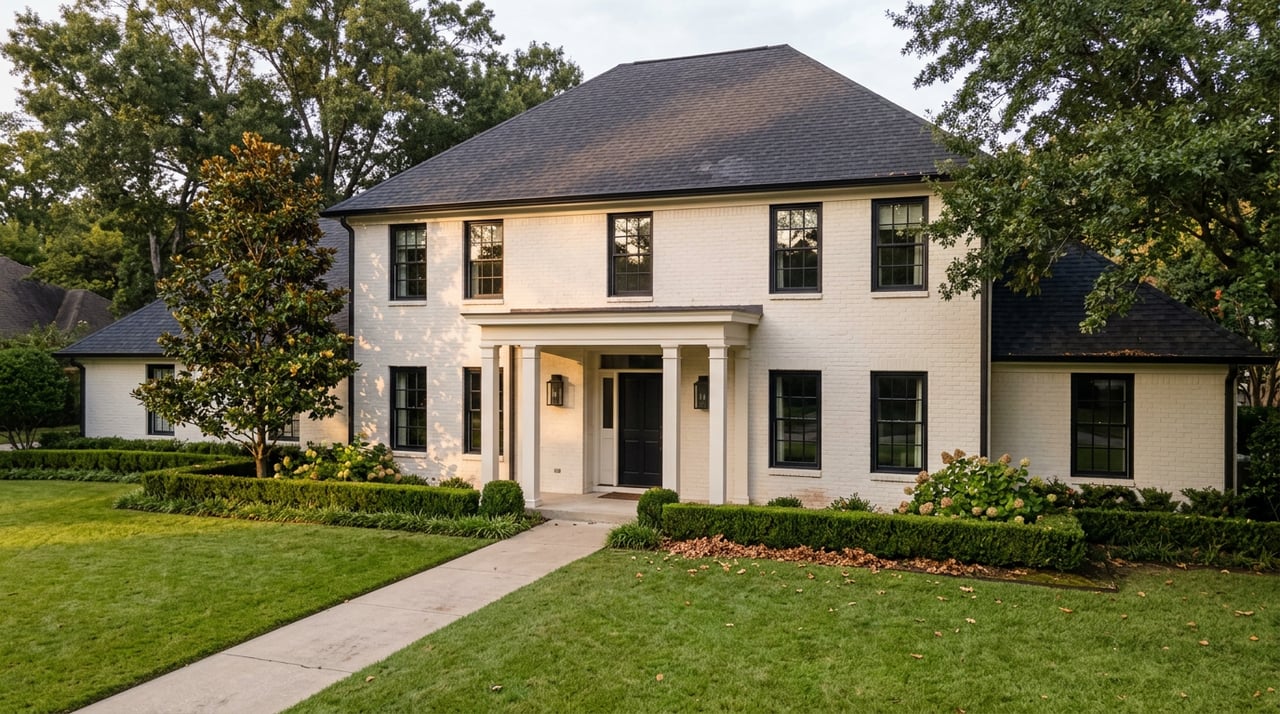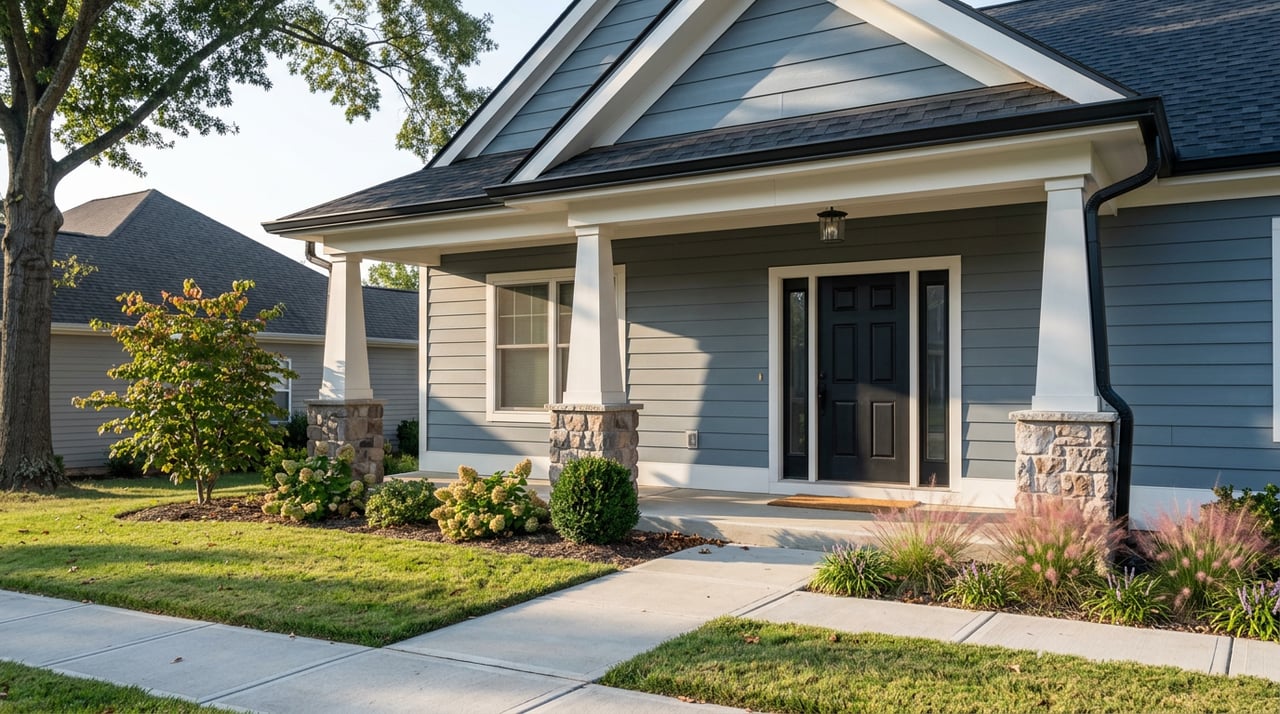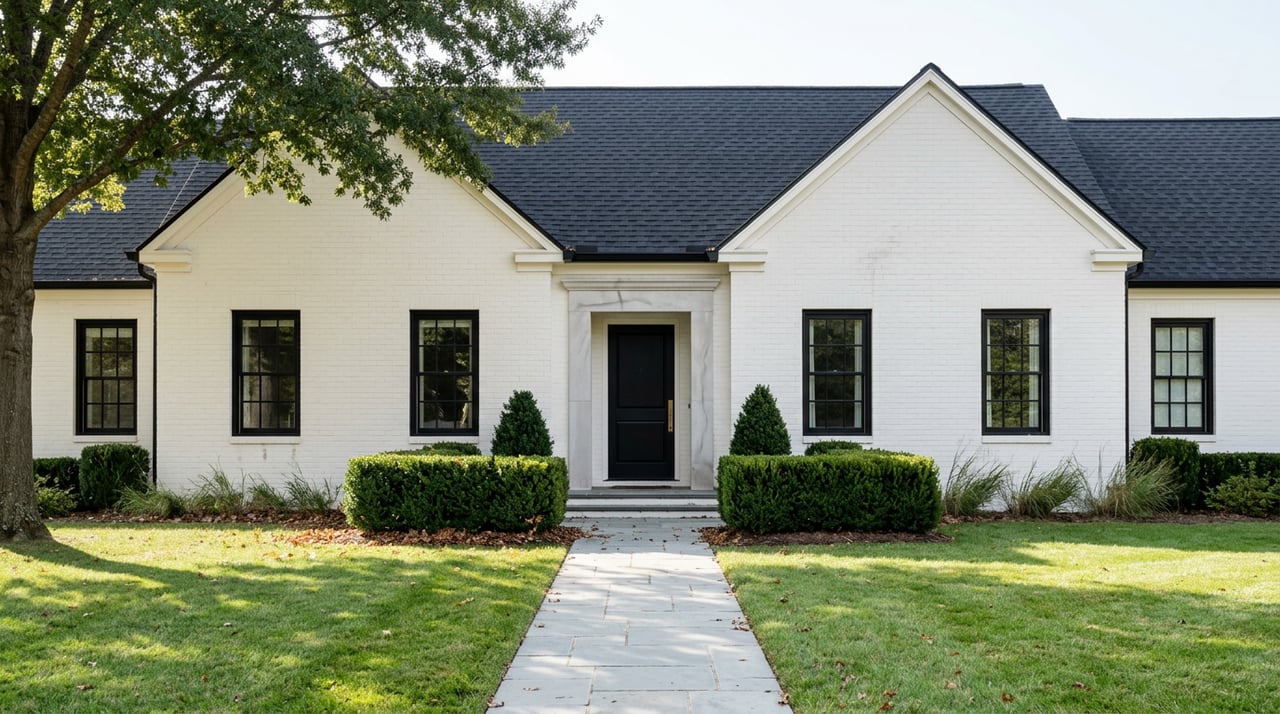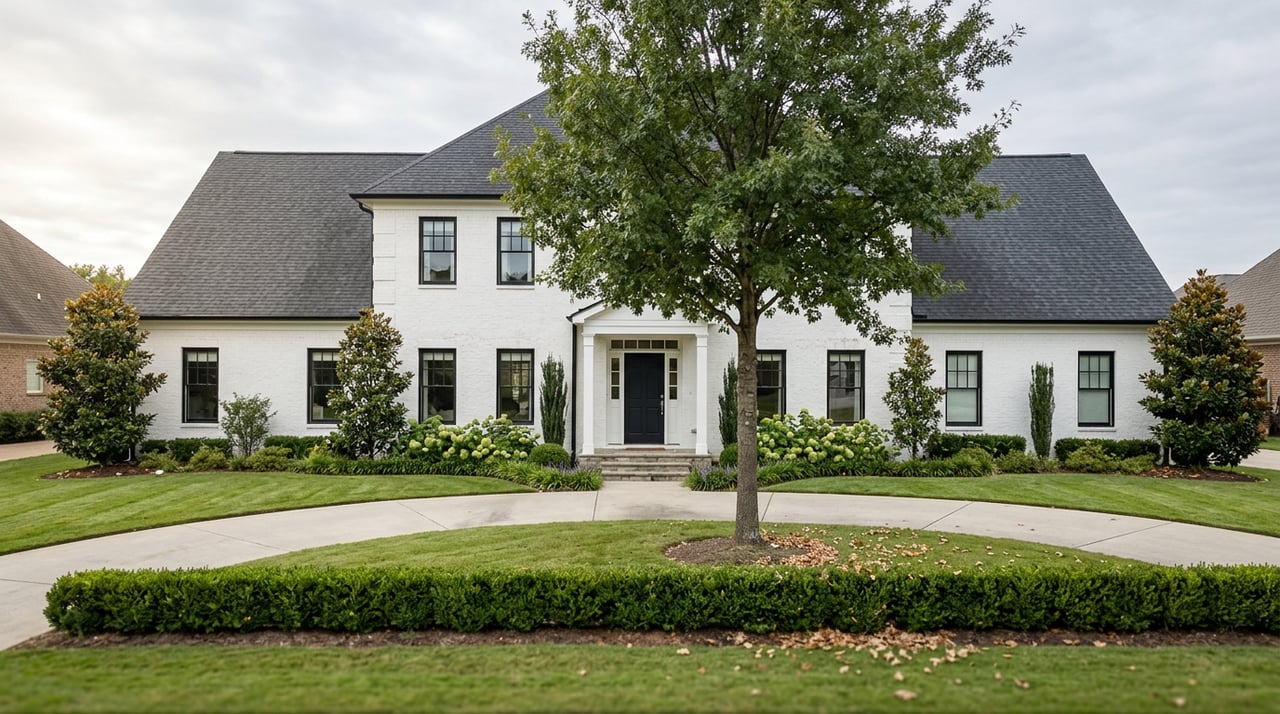
Two brick bungalows, four blocks apart, both a five minute walk from Wilson Park. Same era, same square footage, same worn hardwood floors. A family touring both this summer would reasonably expect similar offers to work. They wouldn't. One home is competing against a normal pool of owner-occupant buyers. The other is competing against an investor who has already run the numbers on knocking it down.
That is not a hypothetical. It is the actual shape of buying near the University of Arkansas right now, and it comes down to a single, specific fact most house hunters never think to check: which side of a zoning line their listing sits on.
The line runs through Garland Avenue
The University of Arkansas opened this fall with preliminary enrollment estimated near 34,000 students, likely the second-largest class in school history, right on the heels of last fall's record headcount of 34,175. That kind of sustained growth does not stay contained to campus. It shows up as demand for beds, and the city has been approving ways to supply them right along the corridor where Highway 112 becomes Garland Avenue as it passes the University.
In May 2026, a 2.10 acre parcel at 1705 N. Garland was rezoned from RSF-4, the standard single-family designation, to RI-U, a category that allows up to 30 cottage-cluster structures on the site. A few months earlier, in December 2025, the city approved a 630-bed student housing development nearby. Neither of those approvals happened in a vacuum. They set a precedent on a corridor where plenty of the housing stock is still older single-family homes on individual lots, the same style of home a family would look at for entirely different reasons.
Fayetteville is backing that shift with infrastructure money. In mid-August 2026, the city council took up a resolution authorizing a $14.9 million contract to widen the Garland Avenue stretch of Highway 112 between Poplar and Drake from two lanes to four, adding sidewalks and bike infrastructure. Council member Sarah Moore described the corridor plainly ahead of that vote: it is "a gateway into the University of Arkansas," and the project is meant to make it safer to walk and bike through, not just drive through. That segment sits inside the same eight-phase, 18-mile Highway 112 widening program running between Fayetteville and Bentonville, a project ARDOT's own director has put at more than $500 million in construction costs alone once every phase is built.
Put those three facts next to each other and the picture is clear. Denser zoning, a large approved student housing project, and a city-funded push to make the corridor more walkable are all landing on the same few blocks, at the same time. A single-family lot inside that footprint isn't just a house anymore. It's an option on future density.
Why identical listings price differently
That is the mechanism a family buyer needs to understand before they fall for a listing that looks like a bargain. A modest older home just outside the rezoning-and-transit corridor is still priced the way most people expect: based on square footage, condition, and what similar family homes nearby have closed for.
A near-identical home sitting inside that corridor is priced against a different comp set entirely. The buyer competing for it may be pricing in rental income per bedroom, or the redevelopment math that a 30-unit cottage cluster now has legal standing on a lot exactly like this one. That buyer doesn't care about the kitchen. They care about lot size, zoning, and proximity to the bus route.
This is also, in practical terms, why neighborhood-level price data around campus reads as noisy rather than simply wrong. Two trackers pulling from the same window of closings in May 2026 reported wildly different medians for homes described as being in Wilson Park, one landing near $410,000 and another closer to $849,000. That's not one source being careless. It's a sign that "Wilson Park" as a label covers a mix of small older homes near the park itself and larger, newer, or redevelopment-adjacent properties on its edges, and depending on which handful of homes closed in a given month, the median swings hard in either direction. A citywide or even neighborhood-level number cannot tell you which kind of house you're looking at. Only the zoning history and the listing itself can.
What to check before you write an offer
If a listing sits anywhere along the Garland Avenue or broader Highway 112 corridor near campus, a few questions are worth answering before you fall in love with the price per square foot:
- What is the current zoning designation, and has anything nearby been rezoned in the past 12 to 18 months? A single approval like the one at 1705 N. Garland can shift how every lot around it gets valued.
- Is there an approved but unbuilt project within a block or two, student housing, a cottage cluster, or similar? That tells you what the market is pricing in for the surrounding land, not just the house on it.
- Does the listing language lean toward "rental appeal," "bus route," or "investment opportunity"? That phrasing usually means the seller expects investor buyers, and a family competing against that math on price alone will struggle.
- Is the property inside the active Highway 112 widening footprint between Poplar and Drake? Construction disruption is real in the near term, even as the long-term infrastructure investment adds value to the corridor.
None of this means avoid the area. It means know which version of the market you're actually shopping in before you compare it to a listing three blocks away that looks similar but isn't playing by the same rules.
Where the math is simpler
Families who want the predictability of comparing homes on their own merits, rather than against redevelopment upside, tend to find it in newer, purpose-built subdivisions that sit outside that corridor entirely. Markham Hill, west of downtown near the University, is one example: a subdivision built around walkable, wooded streets rather than transit-corridor density, with homes carrying third-party HERS energy ratings and access to a small commercial anchor built into the neighborhood itself. Buying there means comparing a home against other homes, not against a zoning entitlement.
That's the real lesson underneath all of this. Fayetteville's campus-adjacent blocks are not one market. They're at least two, running on different logic, sometimes on the same street. Knowing which one you're standing in is the difference between overpaying for a house because you were bidding against a developer, and finding genuine family-home value a few minutes farther out.
A couple of questions worth asking
Does this only affect homes directly on Garland Avenue? No. The precedent set by a rezoning like the one at 1705 N. Garland tends to raise expectations for nearby parcels too, even ones that haven't been rezoned yet, because buyers and appraisers start treating the surrounding blocks as candidates for the same kind of approval.
Will more of this corridor get rezoned? There's no way to know that in advance for any specific lot, and it isn't something to assume either way. What's knowable right now is that one rezoning and one large approved development already exist on this stretch, which is enough to change how nearby listings should be evaluated today.
If you're comparing homes near the University of Arkansas and want to know which side of a corridor like this one you're actually looking at, that's the kind of groundwork worth doing before you write an offer, not after. Jillian Chamberlin works this market block by block, including the builder relationships and zoning history that don't show up on a listing sheet. Reach out for a free consultation before your next Fayetteville tour, or ask for a home valuation if you're weighing whether to sell into this corridor while the infrastructure investment is still fresh.